Yep, we may get a tiny thank-you (read: commission) when you buy through
links on Gadgetspotr — not enough for a yacht, but enough to keep the lights (and
servers) on.
Learn more
54
Highlights
79
Differences
7
Reactions
0
Likes
Anet A8
vs
Bambu Lab A1:
54 Highlights & 79 Differences —
So, Which 3D Printer Actually Works Better
Find out which printer fits your style, budget, and print demands with our detailed comparison.
We ran the full gadget test: Anet A8 vs Bambu Lab A1 — from build width, connectivity options, uv light source type & remote access control to design smarts, here’s how they compare.
Bambu Lab A1 Vs. Anet A8: A Modern Marvel Meets A DIY Classic
When diving into the world of FDM/FFF 3D printers, the Bambu Lab A1 and the Anet A8 stand out as distinct choices catering to different user preferences. Both target beginner to intermediate enthusiasts and support consumer-level prototyping, yet they showcase fundamental divergences rooted in technology, assembly, and user experience. The Bambu Lab A1, released recently in 2023, arrives as a sleek, prebuilt unit boasting automation, multi-material compatibility, and advanced connectivity. In contrast, the Anet A8, an older 2016 DIY kit, offers broad filament compatibility and upgrade potential but requires hands-on assembly and fine-tuning.
A Leap Into Modern Automation: The Bambu Lab A1
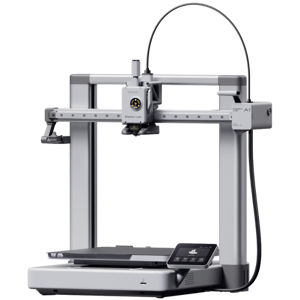
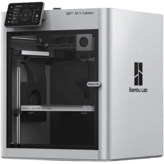
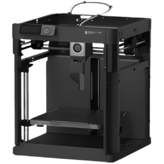
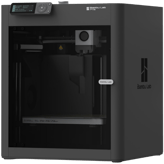
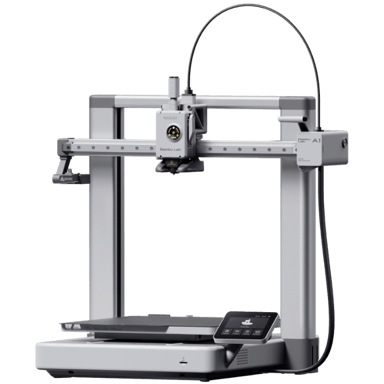
At the forefront of automation, the Bambu Lab A1 comes fully assembled, making it immediately accessible to users without the frustration of building and manual calibration. With features like auto bed leveling and auto first layer calibration, it minimizes setup errors and dramatically improves print reliability.
The print capabilities outpace many competitors with a maximum speed of 500 mm/s and an effective average print speed around 300 mm/s, allowing for rapid prototyping; a mere 16 minutes for the iconic Benchy model versus 90 minutes on the Anet A8. Its build volume of 1024 cm³ is generous yet paired with a compact footprint, making it suitable for smaller setups without sacrificing print size.
Its advanced multi-material printing system supports up to four types of filaments simultaneously, enhanced by a filament dry box and auto-loading, which maintain filament quality and ease material swaps. Hardware perks include a vibrant touchscreen interface, an integrated camera for monitoring, magnetic flex PEI build plates for easy print removal, and vibration compensation that enhances print precision.
Connectivity shines with seamless Wi-Fi and cloud integration, support for a mobile app, firmware updates over the air, and advanced cloud fleet management features, making it ideal for users managing multiple printers. Safety isn't overlooked, as it sports auto shutdown capabilities and numerous sensors to detect filament jams and extruder pressure issues.
Classic DIY Spirit: The Anet A8's Enduring Appeal
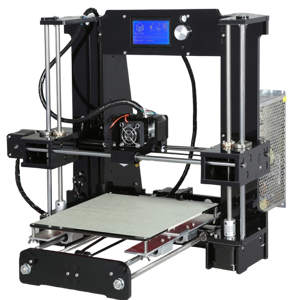
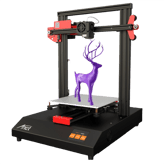
The Anet A8 remains a beloved choice for those who crave an open-source, hands-on 3D printing experience. It arrives as a kit, inviting beginners and hobbyists to actively engage in assembly and manual fine-tuning, which also serves as a learning platform for machine mechanics and printer calibration.
Possessing a larger physical footprint but slightly lighter weight than the A1, the Anet A8 provides a respectable build volume of approximately 709 cm³, suitable for a variety of smaller projects. It supports an impressively broad range of filaments, including materials like ABS, Nylon, and wood-infused filaments; options not natively supported by the Bambu Lab A1; and allows the use of third-party materials easily due to its open configuration.
Print speed is modest, with an official max speed of 120 mm/s and practical speed anchored around 60 mm/s. Print quality is entry-level, characterized by manual bed leveling and the use of adhesion aids such as tapes on its glass build plate. Nonetheless, features like power loss recovery improve print consistency, especially during long prints.
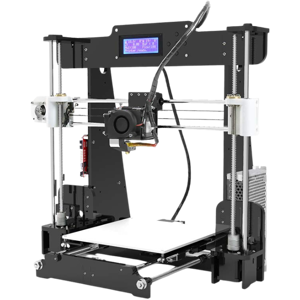
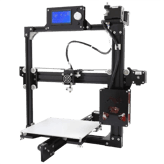
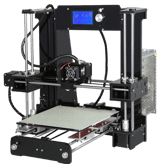
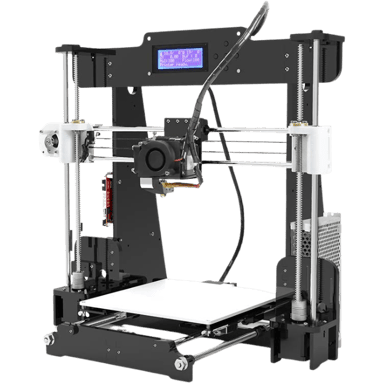
The hardware embraces a traditional open Cartesian frame with a 3-inch screen interface. Connectivity is straightforward with USB and SD card support, but lacks modern networking options and integrated software ecosystems. It aligns more with users who prefer open-source slicing solutions like Cura or PrusaSlicer, granting flexibility in workflow customization.
With certifications including CE and FCC, and protective measures like fireproof build plates and overheat protection, it hits basic safety marks but does not feature the advanced sensor arrays or safety protocols of contemporary machines. Notably, its upgrade path is robust, encouraging community mods and hardware enhancements for those willing to experiment and enhance performance.
Quick Take
The Bambu Lab A1 scores big on speed, automation, and ease of use, appealing to users who prefer a polished, ready-to-go 3D printing experience with modern connectivity and multi-material printing. Meanwhile, the Anet A8 continues to attract DIY enthusiasts who want to build, tinker, and upgrade at a low cost, benefiting from its compatibility with a broad filament variety and open software support.
Bottom Line
For most users seeking a high-performance, feature-packed 3D printer with minimal setup pain, the Bambu Lab A1 stands out as the better investment for speed, reliability, and advanced functionality. However, if you enjoy hands-on assembly and modding on a budget, the Anet A8 offers a rewarding platform for learning and customization despite its limitations.
Verdict
Winner: Bambu Lab A1 - For its advanced automation, faster print speeds, multi-material support, and integrated modern software features.
Runner-up: Anet A8 - Ideal for budget-conscious DIYers and those who prefer a hands-on, upgradeable kit with diverse filament support.
The Anet A8 is provided as a Kit for assembly. This allows users to build the printer themselves, offering an educational experience and potentially a lower cost.
Shows whether the printer is sold as a kit requiring assembly or fully prebuilt.
In the battle of Assembly Type,
Anet A8 ◉ is
same as
Bambu Lab A1 ◉
.
Don’t keep it to yourself — be the first to react and review the
Assembly Type on Anet A8 ◉
vs Bambu Lab A1 ◉ and help others decide!
Both are manufactured in China, indicating similar production origin.
The country where the product is designed or manufactured.
In the battle of Country of Origin,
Anet A8 ◉ is
same as
Bambu Lab A1 ◉
.
Don’t keep it to yourself — be the first to react and review the
Country of Origin on Anet A8 ◉
vs Bambu Lab A1 ◉ and help others decide!
Intended Use
What is the intended use?
0
Anet A8
0Votes
Consumer, Educational
0
Bambu Lab A1
0Votes
Consumer
vs
Intended Use
Anet A8 is intended for Consumer and Educational use while Bambu Lab A1 is primarily for Consumer use, suggesting broader educational utility for Anet A8.
Identifies the main user category.
In the battle of Intended Use,
Anet A8 ◉ is
same as
Bambu Lab A1 ◉
.
Don’t keep it to yourself — be the first to react and review the
Intended Use on Anet A8 ◉
vs Bambu Lab A1 ◉ and help others decide!
Target User Level
What is the target user level?
0
Anet A8
0Votes
Beginner, Intermediate
0
Bambu Lab A1
0Votes
Beginner, Intermediate
vs
Target User Level
Both printers target beginner and intermediate user levels, making them suitable for similar skill ranges.
Indicates the recommended skill level.
In the battle of Target User Level,
Anet A8 ◉ is
same as
Bambu Lab A1 ◉
.
Don’t keep it to yourself — be the first to react and review the
Target User Level on Anet A8 ◉
vs Bambu Lab A1 ◉ and help others decide!
Upgrade Path
Does it support an upgrade path?
Yes
0Votes
Anet A8
Yes
0Votes
Bambu Lab A1
Anet A8
An upgrade path is available for this printer. This means users can enhance its capabilities with optional modules or components, extending its functionality and longevity.
Bambu Lab A1
The printer offers an upgrade path, such as compatibility with the AMS system, allowing users to enhance its capabilities over time.
Whether the printer can be expanded with official or third-party upgrades.
In the battle of Upgrade Path,
Anet A8 ◉ is
same as
Bambu Lab A1 ◉
.
Don’t keep it to yourself — be the first to react and review the
Upgrade Path on Anet A8 ◉
vs Bambu Lab A1 ◉ and help others decide!
Warranty Period
What is the warranty period?
0
Anet A8
0Votes
1 Year
0
Bambu Lab A1
0Votes
1 Year
Anet A8
The product comes with a 1 Year warranty period. This coverage typically protects against manufacturing defects for a specified duration.
Bambu Lab A1
The printer comes with a 1 Year warranty period, covering manufacturing defects and ensuring product reliability.
Coverage period offered by the manufacturer.
In the battle of Warranty Period,
Anet A8 ◉ is
same as
Bambu Lab A1 ◉
.
Don’t keep it to yourself — be the first to react and review the
Warranty Period on Anet A8 ◉
vs Bambu Lab A1 ◉ and help others decide!
Printer Type
What type of printer is it?
0
Anet A8
0Votes
FDM/FFF
0
Bambu Lab A1
1Votes
FDM/FFF
Anet A8
The Anet A8 is an FDM/FFF (Fused Deposition Modeling / Fused Filament Fabrication) printer. This technology builds objects by extruding molten thermoplastic material layer by layer.
Defines the printing technology used by the machine.
In the battle of Printer Type,
Anet A8 ◉ is
same as
Bambu Lab A1 ◉
.
Based on community votes for Printer Type,
Anet A8 ◉ earned
0 votes,
less than
Bambu Lab A1 ◉,
which got 1 votes.
Both printers use FDM/FFF tech which is great for beginners but the newer Bambu Lab A1 feels more modern
See more
Product Name
What is the product name?
0
Anet A8
0Votes
Anet A8
0
Bambu Lab A1
0Votes
Bambu Lab A1
Anet A8
The product's model name is Anet A8. This identifies the specific 3D printer within the Anet product line.
The commercial name of the 3D printer.
In the battle of Product Name,
Anet A8 ◉ is
same as
Bambu Lab A1 ◉
.
Don’t keep it to yourself — be the first to react and review the
Product Name on Anet A8 ◉
vs Bambu Lab A1 ◉ and help others decide!
Model Number
What is the model number?
0
Anet A8
0Votes
A8
0
Bambu Lab A1
0Votes
A1
Bambu Lab A1
The specific model number for this 3D printer is A1.
Manufacturer’s reference code for precise identification.
In the battle of Model Number,
Anet A8 ◉ is
same as
Bambu Lab A1 ◉
.
Don’t keep it to yourself — be the first to react and review the
Model Number on Anet A8 ◉
vs Bambu Lab A1 ◉ and help others decide!
Release Year
What is the release year?
0
Anet A8
0Votes
2016
0
Bambu Lab A1
0Votes
2023
Anet A8
This 3D printer was released in 2016. This indicates its vintage and can be a factor in feature set and technological advancements.
The year the 3D printer was first released.
In the battle of Release Year,
Anet A8 ◉ is
same as
Bambu Lab A1 ◉
.
Don’t keep it to yourself — be the first to react and review the
Release Year on Anet A8 ◉
vs Bambu Lab A1 ◉ and help others decide!
Supported Applications
What applications are supported?
0
Anet A8
0Votes
Prototyping, Miniatures
0
Bambu Lab A1
0Votes
Prototyping
Anet A8
The Anet A8 is well-suited for applications such as Prototyping and creating Miniatures. These uses leverage its ability to produce small to medium-sized objects with reasonable detail.
Lists the most common applications supported.
In the battle of Supported Applications,
Anet A8 ◉ is
same as
Bambu Lab A1 ◉
.
Don’t keep it to yourself — be the first to react and review the
Supported Applications on Anet A8 ◉
vs Bambu Lab A1 ◉ and help others decide!
Assembly Required
Is assembly required?
Yes
0Votes
Anet A8
Yes
0Votes
Bambu Lab A1
Anet A8
Assembly is required for this printer. Users will need to put together various components before they can begin printing, which is typical for kit-based 3D printers.
States if the printer requires assembly.
In the battle of Assembly Required,
Anet A8 ◉ is
same as
Bambu Lab A1 ◉
.
Don’t keep it to yourself — be the first to react and review the
Assembly Required on Anet A8 ◉
vs Bambu Lab A1 ◉ and help others decide!
Dimensions & Weight
13
Height
What is the printer’s height?
15.7
inch
0Votes
16.5
inch
0Votes
vs
Height
Anet A8 has a height of 15.7 inches while Bambu Lab A1 is slightly taller at 16.5 inches.
The total external height of the printer.
In the battle of Height,
Anet A8 ◉ is
better than
Bambu Lab A1 ◉
, delivering
lower
0.8 inch
measurement.
Don’t keep it to yourself — be the first to react and review the
Height on Anet A8 ◉
vs Bambu Lab A1 ◉ and help others decide!
Width
What is the printer’s width?
17.7
inch
0Votes
13.66
inch
0Votes
vs
Width
Anet A8 has a width of 17.7 inches while Bambu Lab A1 is narrower at 13.66 inches, so Bambu Lab A1 is more compact width-wise.
The total external width of the printer.
In the battle of Width,
Anet A8 ◉ is
worse than
Bambu Lab A1 ◉
, delivering
higher
4.0 inch
measurement.
Don’t keep it to yourself — be the first to react and review the
Width on Anet A8 ◉
vs Bambu Lab A1 ◉ and help others decide!
Depth
What is the printer’s depth?
19.7
inch
0Votes
16.26
inch
0Votes
Anet A8
The physical depth of the printer is 19.7 inch (50.04 cm). This measurement indicates the space required from front to back for the machine itself.
The total external depth of the printer.
In the battle of Depth,
Anet A8 ◉ is
worse than
Bambu Lab A1 ◉
, delivering
higher
3.4 inch
measurement.
Don’t keep it to yourself — be the first to react and review the
Depth on Anet A8 ◉
vs Bambu Lab A1 ◉ and help others decide!
Weight
What is the printer’s weight?
17.6
lbs
0Votes
18.08
lbs
0Votes
Anet A8
The printer itself weighs 17.6 lbs (7.98 kg). This indicates a relatively lightweight machine, making it easier to move or reposition.
Net weight of the printer.
In the battle of Weight,
Anet A8 ◉ is
better than
Bambu Lab A1 ◉
, delivering
lower
0.5 lbs
measurement.
Don’t keep it to yourself — be the first to react and review the
Weight on Anet A8 ◉
vs Bambu Lab A1 ◉ and help others decide!
Package Width
What is the package width?
20.1
inch
0Votes
Who knows?
0Votes
Bambu Lab A1
(Help us out by suggesting one!)
vs
Package Width
Anet A8's package width is 20.1 inches while Bambu Lab A1's package width data is unavailable.
Width of the printer’s packaging.
Don’t keep it to yourself — be the first to react and review the
Package Width on Anet A8 ◉
vs Bambu Lab A1 ◉ and help others decide!
Package Depth
What is the package depth?
12.2
inch
0Votes
Who knows?
0Votes
Bambu Lab A1
(Help us out by suggesting one!)
Anet A8
The package depth of the printer is 12.2 inch (30.99 cm). This dimension is useful for storage and shipping considerations.
Depth of the printer’s packaging.
Don’t keep it to yourself — be the first to react and review the
Package Depth on Anet A8 ◉
vs Bambu Lab A1 ◉ and help others decide!
Package Height
What is the package height?
8.3
inch
0Votes
Who knows?
0Votes
Bambu Lab A1
(Help us out by suggesting one!)
Anet A8
The package height of the printer is 8.3 inch (21.08 cm). This dimension contributes to the overall packaged size for shipping and handling.
Height of the printer’s packaging.
Don’t keep it to yourself — be the first to react and review the
Package Height on Anet A8 ◉
vs Bambu Lab A1 ◉ and help others decide!
Package Weight
What is the package weight?
19.6
lbs
0Votes
23.81
lbs
0Votes
Anet A8
The total package weight of the printer is 19.6 lbs (8.9 kg). This figure includes the printer and all its accessories and packaging materials.
total shipping weight including packaging.
In the battle of Package Weight,
Anet A8 ◉ is
better than
Bambu Lab A1 ◉
, delivering
lower
4.2 lbs
measurement.
Don’t keep it to yourself — be the first to react and review the
Package Weight on Anet A8 ◉
vs Bambu Lab A1 ◉ and help others decide!
Build-to-Printer Size Ratio
What is the build-to-printer size ratio?
18
%
0Votes
Who knows?
0Votes
Bambu Lab A1
(Help us out by suggesting one!)
Anet A8
The build volume represents 18% of the total printer size. This ratio indicates how efficiently the internal space is utilized for printing relative to the machine's overall footprint.
The efficiency ratio of build volume relative to the overall printer size.
Don’t keep it to yourself — be the first to react and review the
Build-to-Printer Size Ratio on Anet A8 ◉
vs Bambu Lab A1 ◉ and help others decide!
Space Requirement
What is the space requirement?
4.5
sq ft
0Votes
Who knows?
0Votes
Bambu Lab A1
(Help us out by suggesting one!)
Anet A8
The printer requires a space of at least 4.5 sq ft (0.42 m²). This measurement helps users determine if they have adequate space for the printer's footprint and any necessary clearance.
The minimum flat surface area needed to safely place the printer.
Don’t keep it to yourself — be the first to react and review the
Space Requirement on Anet A8 ◉
vs Bambu Lab A1 ◉ and help others decide!
Folded Width
What is the folded width?
Who knows?
0Votes
Anet A8
(Help us out by suggesting one!)
Who knows?
0Votes
Bambu Lab A1
(Help us out by suggesting one!)
Width of the printer when folded (if applicable).
Don’t keep it to yourself — be the first to react and review the
Folded Width on Anet A8 ◉
vs Bambu Lab A1 ◉ and help others decide!
Folded Depth
What is the folded depth?
Who knows?
0Votes
Anet A8
(Help us out by suggesting one!)
Who knows?
0Votes
Bambu Lab A1
(Help us out by suggesting one!)
Depth of the printer when folded.
Don’t keep it to yourself — be the first to react and review the
Folded Depth on Anet A8 ◉
vs Bambu Lab A1 ◉ and help others decide!
Folded Height
What is the folded height?
Who knows?
0Votes
Anet A8
(Help us out by suggesting one!)
Who knows?
0Votes
Bambu Lab A1
(Help us out by suggesting one!)
Height of the printer when folded.
Don’t keep it to yourself — be the first to react and review the
Folded Height on Anet A8 ◉
vs Bambu Lab A1 ◉ and help others decide!
The printer should operate within a humidity range of 20-80%. Maintaining this humidity level prevents material issues and ensures consistent print quality.
Acceptable humidity range during printer operation.
In the battle of Operating Humidity Range,
Anet A8 ◉ is
same as
Bambu Lab A1 ◉
.
Don’t keep it to yourself — be the first to react and review the
Operating Humidity Range on Anet A8 ◉
vs Bambu Lab A1 ◉ and help others decide!
Both support a power supply voltage of 100-240 Volt, compatible with global standards.
Voltage input supported by the printer’s power supply.
In the battle of Power Supply Voltage,
Anet A8 ◉ is
same as
Bambu Lab A1 ◉
.
Don’t keep it to yourself — be the first to react and review the
Power Supply Voltage on Anet A8 ◉
vs Bambu Lab A1 ◉ and help others decide!
Power Consumption
What is the power consumption?
240
Watt
0Votes
350
Watt
0Votes
vs
Power Consumption
Anet A8 power consumption is 240 Watts while Bambu Lab A1 uses 350 Watts, reflecting higher power draw for Bambu Lab A1.
Average power usage during active printing.
In the battle of Power Consumption,
Anet A8 ◉ is
better than
Bambu Lab A1 ◉
, delivering
lower
110.0 Watt
measurement.
Don’t keep it to yourself — be the first to react and review the
Power Consumption on Anet A8 ◉
vs Bambu Lab A1 ◉ and help others decide!
Operating Temperature Range
What is the operating temperature range?
0
Anet A8
0Votes
50-95°F
0
Bambu Lab A1
1Votes
50-86°F
Anet A8
The optimal operating temperature range for this printer is between 50-95°F (10-35°C). Keeping the printer within this range helps ensure stable and successful prints.
Recommended ambient temperature range for safe operation.
In the battle of Operating Temperature Range,
Anet A8 ◉ is
same as
Bambu Lab A1 ◉
.
Based on community votes for Operating Temperature Range,
Anet A8 ◉ earned
0 votes,
less than
Bambu Lab A1 ◉,
which got 1 votes.
I noticed the operating temperature ranges are pretty standard but the Bambu Lab A1 supports a slightly cooler environment which might help in colder spaces
See more
Storage Temperature Range
What is the storage temperature range?
0
Anet A8
0Votes
32-113°F
0
Bambu Lab A1
0Votes
-4-122℉
Anet A8
The recommended storage temperature range for the printer is between 32-113°F (0-45°C). Storing the printer within this range helps preserve its components and functionality.
Safe temperature range for storing the printer when not in use.
In the battle of Storage Temperature Range,
Anet A8 ◉ is
same as
Bambu Lab A1 ◉
.
Don’t keep it to yourself — be the first to react and review the
Storage Temperature Range on Anet A8 ◉
vs Bambu Lab A1 ◉ and help others decide!
Storage Humidity Range
What is the storage humidity range?
0
Anet A8
0Votes
10-90%
0
Bambu Lab A1
0Votes
10-90%
Anet A8
The recommended storage humidity range for the printer is between 10-90%. Storing the printer within this range helps prevent damage to electronic components and filament.
Safe humidity range for storing the printer.
In the battle of Storage Humidity Range,
Anet A8 ◉ is
same as
Bambu Lab A1 ◉
.
Don’t keep it to yourself — be the first to react and review the
Storage Humidity Range on Anet A8 ◉
vs Bambu Lab A1 ◉ and help others decide!
Idle Power Consumption
What is the idle power consumption?
10
Watt
0Votes
Who knows?
0Votes
Bambu Lab A1
(Help us out by suggesting one!)
vs
Idle Power Consumption
Anet A8 idle power consumption is 10 Watts compared to unavailable data for Bambu Lab A1.
Power drawn while the printer is on but not printing.
Don’t keep it to yourself — be the first to react and review the
Idle Power Consumption on Anet A8 ◉
vs Bambu Lab A1 ◉ and help others decide!
Energy Saving Mode
Does it have energy saving mode?
No
0Votes
Anet A8
No
0Votes
Bambu Lab A1
Whether the printer includes an energy-saving or eco mode.
In the battle of Energy Saving Mode,
Anet A8 ◉ is
same as
Bambu Lab A1 ◉
.
Don’t keep it to yourself — be the first to react and review the
Energy Saving Mode on Anet A8 ◉
vs Bambu Lab A1 ◉ and help others decide!
In the battle of Dual Extruders,
Anet A8 ◉ is
same as
Bambu Lab A1 ◉
.
Don’t keep it to yourself — be the first to react and review the
Dual Extruders on Anet A8 ◉
vs Bambu Lab A1 ◉ and help others decide!
Standard Nozzle Diameter
What is the standard nozzle diameter?
0.4
mm
0Votes
0.4
mm
0Votes
vs
Standard Nozzle Diameter
Standard nozzle diameter is 0.4 mm for both, indicating nozzle compatibility.
Default nozzle diameter provided.
In the battle of Standard Nozzle Diameter,
Anet A8 ◉ is
same as
Bambu Lab A1 ◉
, delivering
equal
0.40 mm
measurement.
Don’t keep it to yourself — be the first to react and review the
Standard Nozzle Diameter on Anet A8 ◉
vs Bambu Lab A1 ◉ and help others decide!
Max Bed Temperature
What is the max bed temperature?
212
°F
0Votes
176
°F
0Votes
Bambu Lab A1
The maximum bed temperature is 176 °F, which converts to approximately 80 °C. This temperature is suitable for many common filament types like PLA and PETG.
Maximum heated bed temperature.
In the battle of Max Bed Temperature,
Anet A8 ◉ is
better than
Bambu Lab A1 ◉
, delivering
higher
36.0 °F
measurement.
Don’t keep it to yourself — be the first to react and review the
Max Bed Temperature on Anet A8 ◉
vs Bambu Lab A1 ◉ and help others decide!
Number of Extruders
How many extruders does the printer have?
0
Anet A8
0Votes
1
0
Bambu Lab A1
0Votes
1
Bambu Lab A1
The printer operates with a single extruder, which is standard for most FDM printers.
total extruders installed.
In the battle of Number of Extruders,
Anet A8 ◉ is
same as
Bambu Lab A1 ◉
.
Don’t keep it to yourself — be the first to react and review the
Number of Extruders on Anet A8 ◉
vs Bambu Lab A1 ◉ and help others decide!
Hotend Replaceable
Is the hotend replaceable?
Yes
0Votes
Anet A8
Yes
0Votes
Bambu Lab A1
Bambu Lab A1
The hotend can be replaced, which simplifies maintenance, allows for upgrades, or enables quick swaps for different materials or nozzle types.
Whether the hotend can be replaced.
In the battle of Hotend Replaceable,
Anet A8 ◉ is
same as
Bambu Lab A1 ◉
.
Don’t keep it to yourself — be the first to react and review the
Hotend Replaceable on Anet A8 ◉
vs Bambu Lab A1 ◉ and help others decide!
Layer Resolution Minimum
What is the minimum layer resolution?
100
microns
0Votes
100
microns
1Votes
vs
Layer Resolution Minimum
Both printers have a minimum layer resolution of 100 microns, sharing the same fine print detail capability.
Finest layer height achievable.
In the battle of Layer Resolution Minimum,
Anet A8 ◉ is
same as
Bambu Lab A1 ◉
, delivering
equal
100.00 microns
measurement.
Based on community votes for Layer Resolution Minimum,
Anet A8 ◉ earned
0 votes,
less than
Bambu Lab A1 ◉,
which got 1 votes.
I really like that both printers have the same minimum layer resolution of 100 microns but I gotta say the Bambu Lab A1 is just faster overall with better print speeds
See more
Build Height
What is the build height?
9.45
inch
0Votes
10.08
inch
0Votes
vs
Build Height
Build height for Anet A8 is 9.45 inches and Bambu Lab A1 is 10.08 inches, making Bambu Lab A1 capable of taller prints.
Maximum printable height of the build area.
In the battle of Build Height,
Anet A8 ◉ is
worse than
Bambu Lab A1 ◉
, delivering
lower
0.6 inch
measurement.
Don’t keep it to yourself — be the first to react and review the
Build Height on Anet A8 ◉
vs Bambu Lab A1 ◉ and help others decide!
Build Volume
What is the build volume?
708.85
cubic in
0Votes
1,024
cubic in
0Votes
total printable volume capacity.
In the battle of Build Volume,
Anet A8 ◉ is
worse than
Bambu Lab A1 ◉
, delivering
lower
315.2 cubic in
measurement.
Don’t keep it to yourself — be the first to react and review the
Build Volume on Anet A8 ◉
vs Bambu Lab A1 ◉ and help others decide!
Layer Resolution Maximum
What is the maximum layer resolution?
300
microns
0Votes
300
microns
0Votes
Thickest layer height achievable.
In the battle of Layer Resolution Maximum,
Anet A8 ◉ is
same as
Bambu Lab A1 ◉
, delivering
equal
300.00 microns
measurement.
Don’t keep it to yourself — be the first to react and review the
Layer Resolution Maximum on Anet A8 ◉
vs Bambu Lab A1 ◉ and help others decide!
Anet A8 supports optional nozzle sizes from 0.2mm to 0.8mm while Bambu Lab A1 supports 0.2mm, 0.6mm, and 0.8mm, showing broader options for Anet A8.
Alternative nozzle sizes supported.
In the battle of Optional Nozzle Sizes,
Anet A8 ◉ is
same as
Bambu Lab A1 ◉
.
Don’t keep it to yourself — be the first to react and review the
Optional Nozzle Sizes on Anet A8 ◉
vs Bambu Lab A1 ◉ and help others decide!
Max Extruder Temperature
What is the max extruder temperature?
500
°F
0Votes
572
°F
0Votes
Maximum heating capability of extruder.
In the battle of Max Extruder Temperature,
Anet A8 ◉ is
worse than
Bambu Lab A1 ◉
, delivering
lower
72.0 °F
measurement.
Don’t keep it to yourself — be the first to react and review the
Max Extruder Temperature on Anet A8 ◉
vs Bambu Lab A1 ◉ and help others decide!
Min Extruder Temperature
What is the min extruder temperature?
68
°F
0Votes
Who knows?
0Votes
Bambu Lab A1
(Help us out by suggesting one!)
Lowest operable extruder temperature.
Don’t keep it to yourself — be the first to react and review the
Min Extruder Temperature on Anet A8 ◉
vs Bambu Lab A1 ◉ and help others decide!
Bed Temperature Gradient
What is the bed temperature gradient?
18
°F
0Votes
Who knows?
0Votes
Bambu Lab A1
(Help us out by suggesting one!)
Variance in heat across the bed surface.
Don’t keep it to yourself — be the first to react and review the
Bed Temperature Gradient on Anet A8 ◉
vs Bambu Lab A1 ◉ and help others decide!
Heated Chamber
Does the printer have a heated chamber?
No
0Votes
Anet A8
No
0Votes
Bambu Lab A1
Whether the printer has a heated build chamber.
In the battle of Heated Chamber,
Anet A8 ◉ is
same as
Bambu Lab A1 ◉
.
Don’t keep it to yourself — be the first to react and review the
Heated Chamber on Anet A8 ◉
vs Bambu Lab A1 ◉ and help others decide!
Chamber Temperature Control Range
What is the chamber temperature control range?
0
Anet A8
0Votes
None
Who knows?
0Votes
Bambu Lab A1
(Help us out by suggesting one!)
Range of temperatures the printer chamber can maintain
Don’t keep it to yourself — be the first to react and review the
Chamber Temperature Control Range on Anet A8 ◉
vs Bambu Lab A1 ◉ and help others decide!
Independent Dual Extruder
Does it have IDEX support?
No
0Votes
Anet A8
No
0Votes
Bambu Lab A1
Whether the printer supports independent extruder heads.
In the battle of Independent Dual Extruder,
Anet A8 ◉ is
same as
Bambu Lab A1 ◉
.
Don’t keep it to yourself — be the first to react and review the
Independent Dual Extruder on Anet A8 ◉
vs Bambu Lab A1 ◉ and help others decide!
Quick-Swap Nozzles
Does it have quick-swap nozzles?
No
0Votes
Anet A8
Yes
0Votes
Bambu Lab A1
Nozzles can be quickly swapped without tools.
In the battle of Quick-Swap Nozzles,
Anet A8 ◉ is
worse than
Bambu Lab A1 ◉
.
Don’t keep it to yourself — be the first to react and review the
Quick-Swap Nozzles on Anet A8 ◉
vs Bambu Lab A1 ◉ and help others decide!
Extruder Drive Type
What type of extruder drive does it use?
0
Anet A8
0Votes
Direct Drive
0
Bambu Lab A1
0Votes
Direct Drive
The type of filament feeding system.
In the battle of Extruder Drive Type,
Anet A8 ◉ is
same as
Bambu Lab A1 ◉
.
Don’t keep it to yourself — be the first to react and review the
Extruder Drive Type on Anet A8 ◉
vs Bambu Lab A1 ◉ and help others decide!
In the battle of Third-Party Material,
Anet A8 ◉ is
same as
Bambu Lab A1 ◉
.
Don’t keep it to yourself — be the first to react and review the
Third-Party Material on Anet A8 ◉
vs Bambu Lab A1 ◉ and help others decide!
Filament Auto-Loading
Does it have filament auto-loading?
No
0Votes
Anet A8
Yes
0Votes
Bambu Lab A1
vs
Filament Auto-Loading
Filament auto-loading is not available on Anet A8 but supported by Bambu Lab A1, improving usability.
Automatic feeding of filament into extruder.
In the battle of Filament Auto-Loading,
Anet A8 ◉ is
worse than
Bambu Lab A1 ◉
.
Don’t keep it to yourself — be the first to react and review the
Filament Auto-Loading on Anet A8 ◉
vs Bambu Lab A1 ◉ and help others decide!
Multi-Material Printing
Can it print with multiple materials?
No
0Votes
Anet A8
Yes
0Votes
Bambu Lab A1
Bambu Lab A1
This feature enables the printer to utilize multiple colors or material types within a single print, often facilitated by an accessory like the AMS system.
Ability to print with multiple materials simultaneously.
In the battle of Multi-Material Printing,
Anet A8 ◉ is
worse than
Bambu Lab A1 ◉
.
Don’t keep it to yourself — be the first to react and review the
Multi-Material Printing on Anet A8 ◉
vs Bambu Lab A1 ◉ and help others decide!
Max Number of Materials Supported
What is the maximum number of materials supported?
0
Anet A8
0Votes
1
0
Bambu Lab A1
0Votes
4
vs
Max Number of Materials Supported
Max number of materials supported is 1 for Anet A8 and 4 for Bambu Lab A1, significantly favoring Bambu Lab A1 for complex projects.
Maximum distinct materials supported in one job.
In the battle of Max Number of Materials Supported,
Anet A8 ◉ is
same as
Bambu Lab A1 ◉
.
Don’t keep it to yourself — be the first to react and review the
Max Number of Materials Supported on Anet A8 ◉
vs Bambu Lab A1 ◉ and help others decide!
Anet A8 supports more filament types including PLA, ABS, PETG, Nylon, TPU, HIPS, Wood, and PVA whereas Bambu Lab A1 supports fewer types: PLA, PETG, TPU, PVA, favoring Anet A8 for material versatility.
Filament materials that the printer can process.
In the battle of Supported Filament Types,
Anet A8 ◉ is
same as
Bambu Lab A1 ◉
.
Don’t keep it to yourself — be the first to react and review the
Supported Filament Types on Anet A8 ◉
vs Bambu Lab A1 ◉ and help others decide!
Max Supported Filament Diameter
What is the maximum supported filament diameter?
1.75
mm
0Votes
1.75
mm
0Votes
Maximum filament diameter that can be used.
In the battle of Max Supported Filament Diameter,
Anet A8 ◉ is
same as
Bambu Lab A1 ◉
, delivering
equal
1.75 mm
measurement.
Don’t keep it to yourself — be the first to react and review the
Max Supported Filament Diameter on Anet A8 ◉
vs Bambu Lab A1 ◉ and help others decide!
Filament Dry Box
Does it support filament dry boxes?
No
0Votes
Anet A8
Yes
0Votes
Bambu Lab A1
vs
Filament Dry Box
Filament dry box feature is unavailable on Anet A8 but included in Bambu Lab A1, aiding filament storage for Bambu Lab A1 users.
Supports use of a dry box to prevent filament moisture issues.
In the battle of Filament Dry Box,
Anet A8 ◉ is
worse than
Bambu Lab A1 ◉
.
Don’t keep it to yourself — be the first to react and review the
Filament Dry Box on Anet A8 ◉
vs Bambu Lab A1 ◉ and help others decide!
Filament Drying Required
Is filament drying required?
No
0Votes
Anet A8
Yes
0Votes
Bambu Lab A1
vs
Filament Drying Required
Filament drying is required but not indicated for Anet A8, while Bambu Lab A1 requires filament drying, indicating more material care needed for Bambu Lab A1.
Whether drying filament before use is necessary.
In the battle of Filament Drying Required,
Anet A8 ◉ is
better than
Bambu Lab A1 ◉
.
Don’t keep it to yourself — be the first to react and review the
Filament Drying Required on Anet A8 ◉
vs Bambu Lab A1 ◉ and help others decide!
Supported Resin Types
What resin types are supported?
0
Anet A8
0Votes
None
0
Bambu Lab A1
0Votes
None
Resin types that the printer can use.
In the battle of Supported Resin Types,
Anet A8 ◉ is
same as
Bambu Lab A1 ◉
.
Don’t keep it to yourself — be the first to react and review the
Supported Resin Types on Anet A8 ◉
vs Bambu Lab A1 ◉ and help others decide!
Compatible Resin Wavelength
What resin wavelength is compatible?
Who knows?
0Votes
Anet A8
(Help us out by suggesting one!)
Who knows?
0Votes
Bambu Lab A1
(Help us out by suggesting one!)
Light wavelength compatibility for curing resins.
Don’t keep it to yourself — be the first to react and review the
Compatible Resin Wavelength on Anet A8 ◉
vs Bambu Lab A1 ◉ and help others decide!
Max Resin Tank Capacity
What is the maximum resin tank capacity?
Who knows?
0Votes
Anet A8
(Help us out by suggesting one!)
Who knows?
0Votes
Bambu Lab A1
(Help us out by suggesting one!)
Maximum amount of resin the tank can hold.
Don’t keep it to yourself — be the first to react and review the
Max Resin Tank Capacity on Anet A8 ◉
vs Bambu Lab A1 ◉ and help others decide!
Resin Auto-Fill
Does it have resin auto-fill?
No
0Votes
Anet A8
No
0Votes
Bambu Lab A1
Automatic filling of resin during prints.
In the battle of Resin Auto-Fill,
Anet A8 ◉ is
same as
Bambu Lab A1 ◉
.
Don’t keep it to yourself — be the first to react and review the
Resin Auto-Fill on Anet A8 ◉
vs Bambu Lab A1 ◉ and help others decide!
Biocompatible Materials Support
Does it support biocompatible materials?
No
0Votes
Anet A8
No
0Votes
Bambu Lab A1
Supports resins/filaments approved for medical or dental use.
In the battle of Biocompatible Materials Support,
Anet A8 ◉ is
same as
Bambu Lab A1 ◉
.
Don’t keep it to yourself — be the first to react and review the
Biocompatible Materials Support on Anet A8 ◉
vs Bambu Lab A1 ◉ and help others decide!
Whether the printer can heat resin for optimal viscosity.
In the battle of Resin Heating System,
Anet A8 ◉ is
same as
Bambu Lab A1 ◉
.
Don’t keep it to yourself — be the first to react and review the
Resin Heating System on Anet A8 ◉
vs Bambu Lab A1 ◉ and help others decide!
UV Power Output
What is the UV power output?
Who knows?
0Votes
Anet A8
(Help us out by suggesting one!)
Who knows?
0Votes
Bambu Lab A1
(Help us out by suggesting one!)
Strength of UV light exposure affecting curing speed and accuracy.
Don’t keep it to yourself — be the first to react and review the
UV Power Output on Anet A8 ◉
vs Bambu Lab A1 ◉ and help others decide!
Resin Layer Curing Speed
What is the resin layer curing speed?
Who knows?
0Votes
Anet A8
(Help us out by suggesting one!)
Who knows?
0Votes
Bambu Lab A1
(Help us out by suggesting one!)
Time required to cure one resin layer.
Don’t keep it to yourself — be the first to react and review the
Resin Layer Curing Speed on Anet A8 ◉
vs Bambu Lab A1 ◉ and help others decide!
Resin Cartridge System
Does it use a resin cartridge system?
No
0Votes
Anet A8
No
0Votes
Bambu Lab A1
Whether it uses a sealed resin cartridge system for easy handling.
In the battle of Resin Cartridge System,
Anet A8 ◉ is
same as
Bambu Lab A1 ◉
.
Don’t keep it to yourself — be the first to react and review the
Resin Cartridge System on Anet A8 ◉
vs Bambu Lab A1 ◉ and help others decide!
Auto Resin Mixing
Does it have auto resin mixing?
No
0Votes
Anet A8
No
0Votes
Bambu Lab A1
Whether resin is automatically mixed during operation for consistency.
In the battle of Auto Resin Mixing,
Anet A8 ◉ is
same as
Bambu Lab A1 ◉
.
Don’t keep it to yourself — be the first to react and review the
Auto Resin Mixing on Anet A8 ◉
vs Bambu Lab A1 ◉ and help others decide!
Wash Time
What is the wash time?
Who knows?
0Votes
Anet A8
(Help us out by suggesting one!)
Who knows?
0Votes
Bambu Lab A1
(Help us out by suggesting one!)
Typical duration to wash prints in post-processing.
Don’t keep it to yourself — be the first to react and review the
Wash Time on Anet A8 ◉
vs Bambu Lab A1 ◉ and help others decide!
Cure Time
What is the cure time?
Who knows?
0Votes
Anet A8
(Help us out by suggesting one!)
Who knows?
0Votes
Bambu Lab A1
(Help us out by suggesting one!)
Typical duration to fully cure resin prints after washing.
Don’t keep it to yourself — be the first to react and review the
Cure Time on Anet A8 ◉
vs Bambu Lab A1 ◉ and help others decide!
Post-Processing Equipment Compatibility
Is it compatible with post-processing equipment?
Yes
0Votes
Anet A8
No
0Votes
Bambu Lab A1
Whether the printer supports integration with wash/cure stations.
In the battle of Post-Processing Equipment Compatibility,
Anet A8 ◉ is
better than
Bambu Lab A1 ◉
.
Don’t keep it to yourself — be the first to react and review the
Post-Processing Equipment Compatibility on Anet A8 ◉
vs Bambu Lab A1 ◉ and help others decide!
 Supermod
 Moderator


 Recaptor
 0
Cartling
0
Cartling